

Understanding the Difference in Practice
On paper, the distinction is simple. Permanent staff provide long-term stability, while temporary staff offer short-term flexibility.
In reality, particularly in production and warehouse environments, the decision is often driven by what’s happening on the shop floor at that moment.
If workloads are steady and predictable, a permanent hire can make sense. But when demand fluctuates, or when there’s uncertainty around future volumes, committing to a permanent role can feel like a risk.
The Challenge of Getting It Right First Time
One of the biggest pressures for businesses is making the “right” hiring decision.
Taking someone on permanently is a commitment. It involves time, cost, and the hope that the person will be a good fit for both the role and the team. When it works, it’s a great outcome. But when it doesn’t, it can be difficult and time-consuming to put right.
That’s one of the reasons many businesses across East Sussex are becoming more cautious about jumping straight into permanent hires.
Where Temporary Staff Can Help
Temporary production staff give you the ability to respond to immediate needs without making a long-term commitment.
If you’re dealing with increased workload, covering absence, or simply trying to keep things running smoothly, temporary staff can help bridge that gap quickly.
They also give you the opportunity to see how someone performs in the role before making any longer-term decisions.
A More Flexible Way to Hire
What we’re seeing more and more locally is businesses using a combination of both approaches.
Temporary staff are used to manage short-term demand and maintain output, while permanent hires are made more selectively, once there’s confidence in the long-term need.
This reduces the pressure to get every hiring decision right first time and allows businesses to adapt more easily as things change.
The Role of Temp-to-Perm
For many production environments, temp-to-perm has become a practical middle ground.
It allows you to bring someone in on a temporary basis, see how they perform, and then move to a permanent position if it’s the right fit.
From a business perspective, this reduces risk. From a candidate’s perspective, it also gives them the chance to understand the role and the environment before committing.
What Matters Most
Ultimately, there isn’t a one-size-fits-all answer.
The right approach depends on your workload, your team, and how much flexibility you need.
What is becoming clearer across Hastings and the surrounding areas is that businesses are placing more value on keeping their options open, rather than locking themselves into decisions too early.
Final Thought
Whether you choose temporary or permanent staff, the aim is the same — to have the right people in place to keep your operation running smoothly.
In many cases, the most effective approach isn’t choosing one over the other, but finding the right balance between the two.
And in a market where things don’t always go to plan, that flexibility can make all the difference.
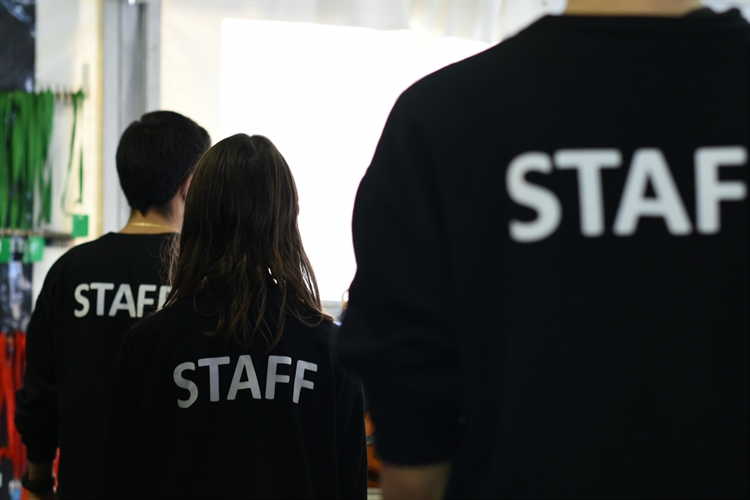
Photo by Joao Viegas on Unsplash