
That’s why I often encourage clients to think about recruitment as part of their business continuity planning rather than simply a reactive exercise.
If you know your business is growing, don’t wait until you’re overwhelmed before starting to recruit.
If you know a key employee is approaching retirement, don’t wait until they’ve left before looking for their replacement.
If your industry has seasonal peaks, don’t assume the right people will be available exactly when you need them.
The businesses that recruit most successfully are usually the ones that plan ahead.
That doesn’t necessarily mean hiring someone today. It might mean keeping in touch with promising candidates, understanding what’s happening in the local employment market or having a conversation with a recruitment consultant before the pressure is on.
The other advantage of planning ahead is that it gives you choices.
When recruitment becomes urgent, businesses are often forced to compromise. They shorten interview processes, increase salaries beyond budget or appoint someone who isn’t quite the right fit simply because they need a person in the role.
Planning removes much of that pressure.
At ASL Recruitment, we spend a great deal of time building relationships with candidates before our clients need them. It means that when opportunities arise, we’re not starting from scratch. We’re already speaking to people who know us, trust us and may be interested when the timing is right.
Good recruitment isn’t simply about replacing people.
It’s about protecting your business, supporting your existing team and making sure you have the right people in place to achieve your plans for the future.
Final Thought
The best time to start thinking about your next hire isn’t when someone leaves. It’s long before you actually need them.
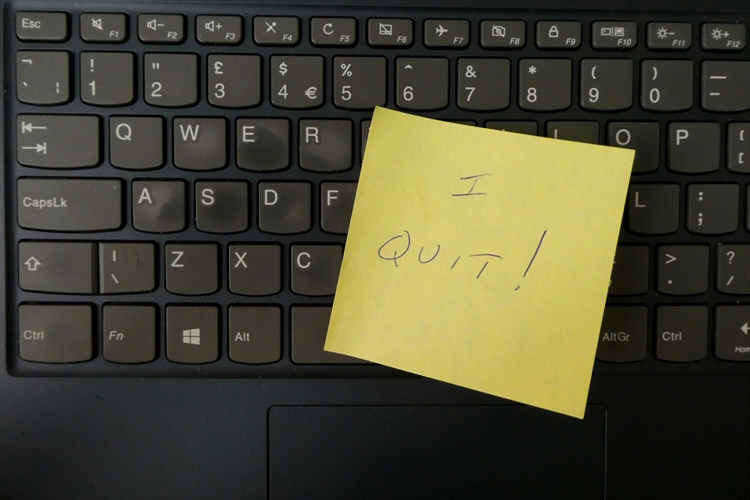
Photo by Nick Fewings on Unsplash